05 November 2026
Roof Replacement Succasunna, NJ: A Seasonal Maintenance Guide After Installation
Presented by @miloxfuu536
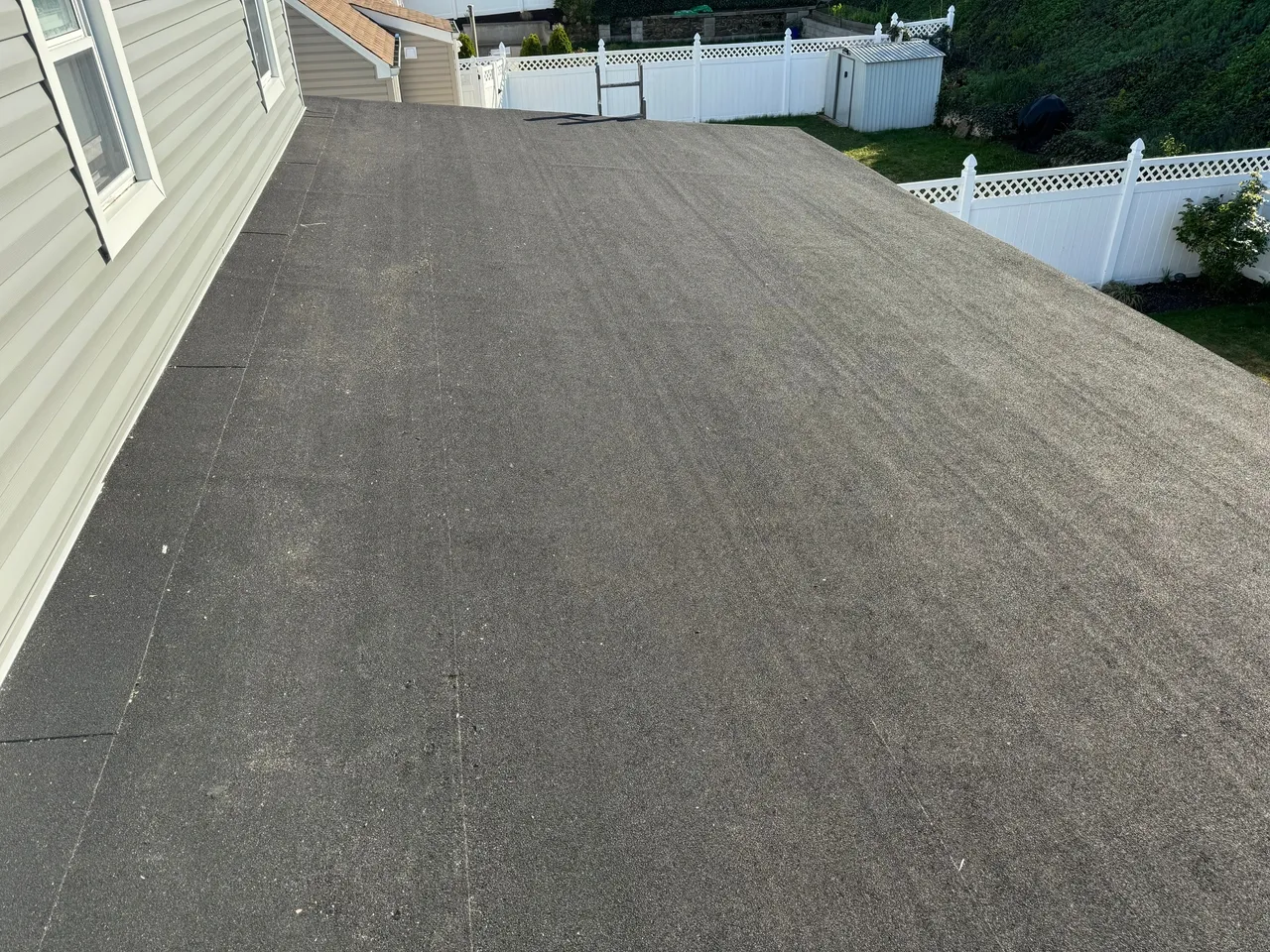
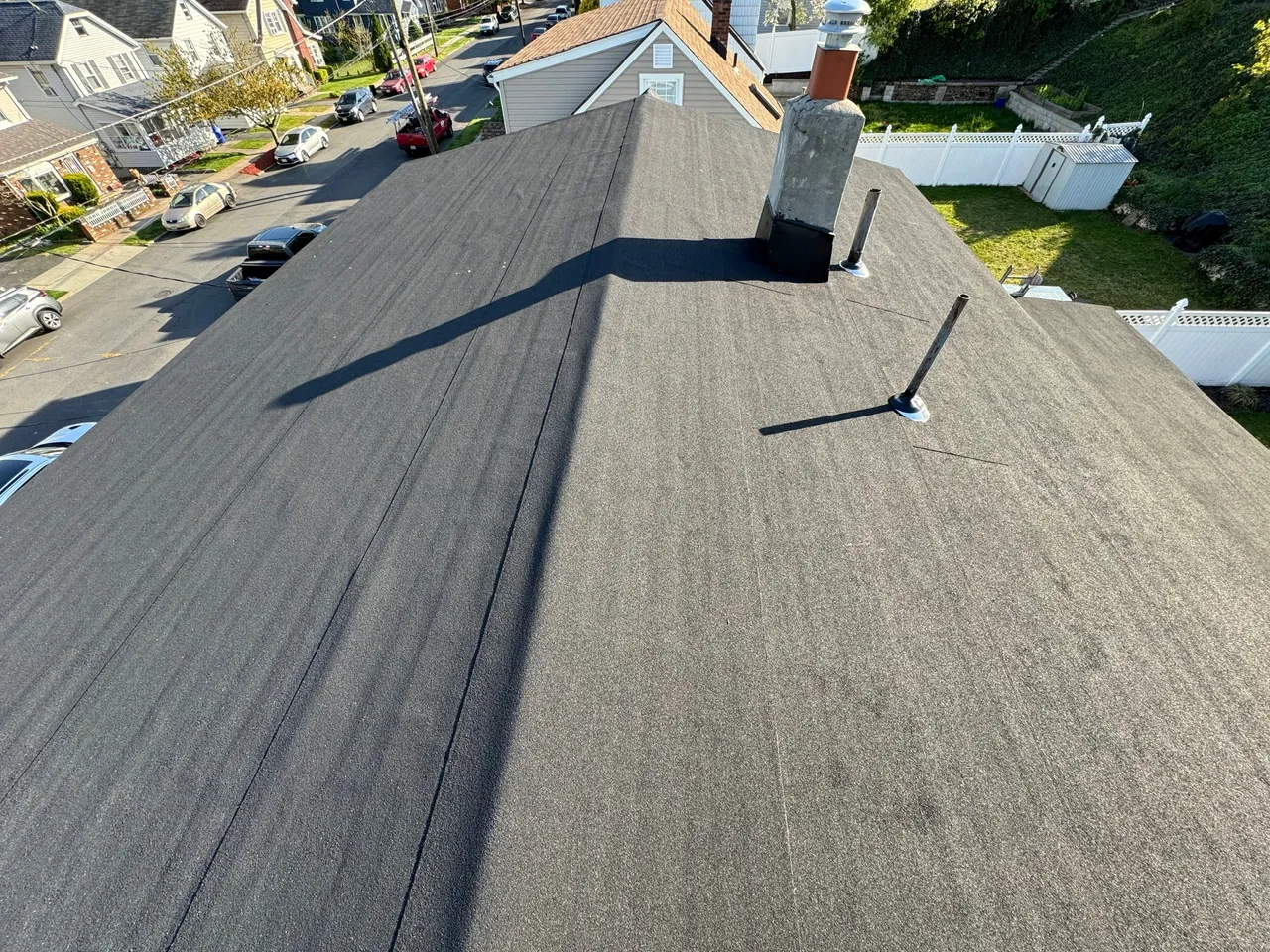
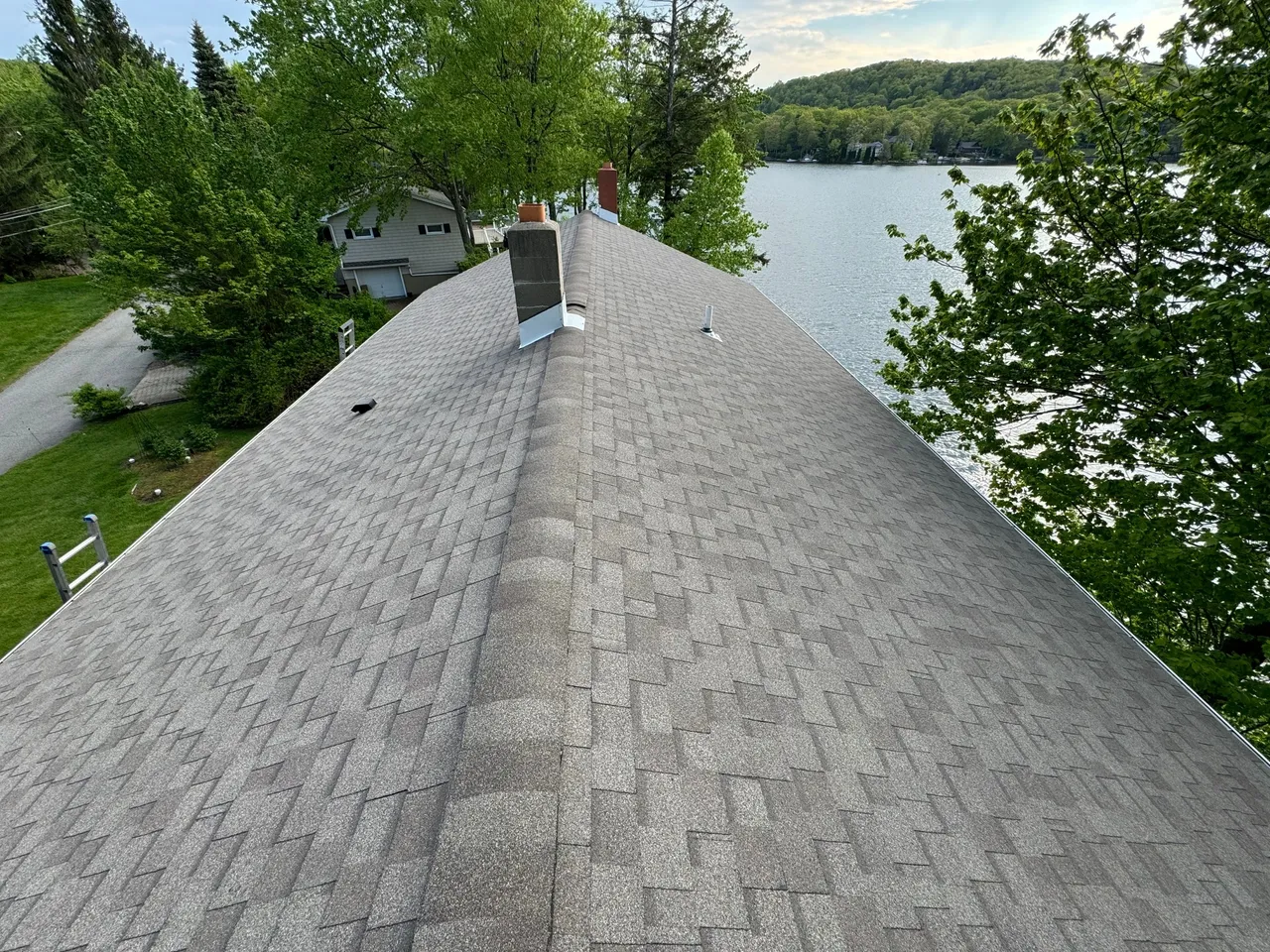
A new roof changes the way a house performs. Inside, rooms feel steadier through temperature swings. Outside, the whole property looks tighter, cleaner, and more finished. But the day installation wraps up is not the end of the job. It is the start of a maintenance cycle that protects the investment you just made.
That matters in Morris County, where roofs take a real beating. Succasunna homes see humid summers, leaf-heavy autumns, freeze-thaw winters, and spring storms that can test flashing, gutters, and attic ventilation in a matter of weeks. Even a properly installed roof needs observation through the first year and sensible care after that. Most post-installation problems are not dramatic failures. They are small issues that go unnoticed until they become expensive, such as a clogged valley, lifted shingle tab, backed-up gutter, or a bathroom fan venting moisture into the attic.
Homeowners often assume a new roof is maintenance-free. That is understandable, especially after paying for a full replacement. In practice, a roof replacement gives you a fresh system, not a permanent exemption from weather, debris, and house movement. Materials settle. Sealants age. Trees keep dropping leaves. Ice still forms where heat escapes unevenly. The good news is that a little seasonal attention goes a long way.
What changes after a new roof is installed
A roof replacement is more than shingles. On a well-executed project, the contractor replaces or updates underlayment, flashing details, starter materials, ridge ventilation, pipe boots, and sometimes decking sections that showed rot or delamination. That means your roof is now operating as a system, and each part depends on the others.
The first thing many homeowners notice is cosmetic consistency. The second, if they pay close attention, is how water behaves. Rain should shed quickly and predictably. Gutters should carry runoff without overflow in normal storms. Attic temperatures should feel less extreme if ventilation was corrected during the project. In winter, snow should melt more evenly than before, especially if the old roof had poor ventilation or patchwork repairs.
What should not change is your need to inspect the roof from the ground and keep the surrounding drainage paths clear. A new installation does not eliminate the effects of overhanging limbs, packed gutters, or poor attic airflow from blocked soffit vents. In fact, the first year after a roof replacement is a good time to learn the roof’s normal patterns so you can spot anything unusual later.
The first month: what to check right away
Most roof replacements in Succasunna wrap up in a day or several days depending on roof size, pitch, and weather. Once the crew is gone and the driveway is clear, spend a little time looking around the property. Not climbing on the roof, just walking the perimeter and checking visible details.
Look for even shingle lines, clean ridge caps, properly seated flashing at chimneys and walls, and gutters that are free of shingle scraps or nail debris. It is also smart to step into the attic on a dry day and again during the next hard rain. You are not conducting a technical inspection. You are simply checking for daylight where it should not be, damp insulation, drips around penetrations, or obvious signs of condensation.
One thing I tell homeowners is to save a small bundle of leftover shingles if the contractor provides them. Colors and product lines change. A few matching pieces stored dry in a garage or basement can make a future repair cleaner if storm damage ever affects one section. Keep the warranty documents, product name, installation date, and contractor contact information in one place as well. Those details matter years later when memory gets fuzzy.
Spring in Succasunna: the inspection season
Spring is often when roof issues reveal themselves. Snow load is gone, freeze-thaw cycles have had their say, and April rain finds weak spots fast. If your roof replacement was installed the previous summer or fall, spring is the moment to check how it came through winter.
Start with the gutters and downspouts. New roofs shed granules early in life, although excessive granule loss is not normal. A light amount in the first period after installation can happen with asphalt shingles, but what you are really watching for in spring is clogging from maple seeds, twigs, and decomposed leaves left from fall. When gutters choke, water can back up under the lower edge of shingles or spill near the foundation. That problem often gets blamed on the roof when the drainage system was the actual culprit.
Then look at roof edges from the ground. Drip edge should sit neatly, fascia should stay dry, and soffit vents should remain open. If you see staining on trim shortly after replacement, investigate sooner rather than later. It may be harmless splashback from a storm, or it may point to gutter pitch, overflow, or a flashing issue that is easier to correct early.
Inside the attic, spring is also a good time to pay attention to moisture. Succasunna homes range from older colonials and capes to ranches and split-levels, and attic conditions vary widely from one layout to the next. A well-installed roof can still suffer if moist household air is vented into the attic instead of outside. I have seen brand-new sheathing develop mold staining not because the roof leaked, but because a bath fan duct slipped loose and dumped warm air under the deck all winter.
Summer heat tests the details you do not see
Summer tends to expose ventilation and flashing problems. On hot days, attic temperatures climb quickly. If the roof replacement included improved ridge venting or corrected intake ventilation, the attic should still get hot, but it should not feel stagnant and trapped in the same way poorly vented attics do.
This matters for comfort, energy use, and shingle life. Excessive heat bakes roofing materials from below and can accelerate wear over time. It can also make second-floor rooms feel stubbornly warm even when the air conditioning is running. If you notice that the top floor remains muggy after the replacement, ask whether the ventilation system is balanced. A ridge vent without adequate intake at the soffits does not perform as intended. The roof may be new while the airflow problem remains old.
Summer is also when sealants and flashing are subjected to expansion and contraction. Around skylights, chimneys, and plumbing penetrations, details matter more than broad shingle fields. A roof can look perfect from the curb and still have one vulnerable point around a pipe boot or sidewall intersection. After heavy summer thunderstorms, take a quick look at ceilings near those areas. Fresh yellow-brown rings do not always appear immediately. Sometimes you will first notice a faint paint bubble, a musty smell, or trim that feels slightly swollen.
If your home is surrounded by mature trees, summer is the season to be honest about limb clearance. Branches that merely shade the roof in June may scrape shingles during August storms. Constant abrasion removes granules and shortens the life of the surface. You do not need to strip trees bare. You do need enough distance to reduce rubbing and allow faster drying after rain.
Fall is where smart roof owners save themselves trouble
In northern New Jersey, fall maintenance is not optional. It is the season that determines how gracefully your roof gets through winter. Leaves settle into valleys, gutters fill, and downspout strainers turn into plugs if no one is paying attention.
Roof Replacement Succasunna, NJA roof replacement in Succasunna, NJ should always be followed by disciplined fall cleanup because local tree cover is part of the reality. Oaks in particular can create stubborn blockages. Valleys deserve special attention because they concentrate water flow. A small mat of wet leaves in a valley can hold moisture against the roof surface for days. Over time, that encourages wear and can interfere with proper drainage during a cold snap.
This is also the right time to inspect caulking around roof-adjacent exterior features, though with some restraint. Homeowners sometimes reach for caulk as a cure-all. On roofs, careless sealant use often creates more problems than it solves by trapping water or interfering with the way materials are meant to shed it. If a flashing detail looks suspicious, have it assessed rather than smeared over.
One habit that pays off is walking your property after the first major fall storm. Check where downspouts discharge. Make sure splash blocks or drain extensions still carry water away from the foundation. Roof health and drainage health are tied together. If water pools near the house, you can end up chasing basement or siding symptoms that started with clogged roof runoff paths.
Winter in Morris County: where roofs earn their keep
Winter is when a new roof proves whether the whole assembly was thought through. Snow itself is not usually the problem. Uneven melting is. When warm air leaks into the attic, sections of the roof deck heat up, snow melts, and water runs down to colder eaves where it refreezes. That is how ice dams begin.
A roof replacement may include ice and water protection at vulnerable eaves and valleys, which helps. It does not cancel out the need for insulation, air sealing, and ventilation. If your roof develops large icicles after replacement, do not assume that means the installer failed. It may indicate that the house still has heat loss issues that the roofing project did not fully address.
Winter maintenance is mostly observational and cautious. Avoid climbing onto a snowy or icy roof. If heavy snow accumulates, use a roof rake from the ground if necessary, but only if you know how to use it without gouging shingles or pulling at flashing. For many homes, the better move is to monitor conditions and call a professional when something looks abnormal.
Watch for these winter warning signs:
- Thick ice buildup along one eave while the rest of the roof stays relatively clear
- Water stains appearing on interior ceilings during a thaw
- Icicles concentrated over one bathroom, bedroom, or attic section
- Snow melting in sharp patches rather than gradually across the roof plane
- Dripping at soffits or around exterior trim after a freeze-thaw cycle
Those signs do not all mean immediate failure, but they do point to patterns worth investigating before another winter compounds the problem.
The role of gutters, attic airflow, and insulation
Homeowners often think in categories. The roof is one category, gutters another, insulation another. Houses do not work that way. A roof performs best when its supporting systems are doing their jobs.
Take gutters first. Even premium roofing materials cannot manage roof runoff if gutters are pitched poorly, seams leak, or downspouts dump water into clogged underground drains. If overflow occurs repeatedly in the same spot after your roof replacement, Roof Replacement Succasunna, NJ inspect the gutter system before assuming the shingles are at fault.
Then there is attic airflow. Balanced intake and exhaust ventilation helps control moisture and temperature. Too little airflow can shorten shingle life and encourage condensation. Too much exhaust without enough intake can also create problems by drawing conditioned air from the house. This is one reason experienced roofers spend time evaluating soffits, baffles, and ridge vent design rather than just replacing surface materials.
Insulation sits in the middle of all this. Insulation alone does not stop ice dams if air leaks remain. Air sealing around attic hatches, recessed lights, plumbing chases, and top plates often matters just as much. A homeowner may install a beautiful new roof and still fight winter moisture because warm indoor air keeps escaping into the attic assembly.
What you can do yourself, and what deserves a call
There is a sensible middle ground between ignoring the roof and trying to become your own roofing contractor. Ground-level checks, attic observations, gutter cleaning where safely accessible, and tree maintenance are reasonable homeowner tasks. Anything involving steep slopes, flashing disassembly, or winter hazard conditions belongs in professional hands.
A practical seasonal routine looks like this:
- Inspect from the ground after major storms and at the start of each season
- Keep gutters, downspouts, and valleys clear of leaves and debris
- Check the attic for moisture, stains, odors, or daylight twice a year
- Trim back limbs that touch or overhang the roof too closely
- Call for assessment quickly if you notice recurring stains, ice damming, or loose materials
That short routine catches most small issues before they turn into sheathing repairs, insulation replacement, or interior drywall work.
Common mistakes after a roof replacement
The most common mistake is assuming the warranty covers anything that happens next. Warranties vary, and many do not cover problems caused by neglected drainage, storm impacts, foot traffic, or unrelated structural issues. Read what you were given. Know the difference between manufacturer coverage and workmanship coverage.
The second mistake is pressure washing the roof to remove algae or debris. New shingles do not need that treatment, and high pressure can damage granules and force water where it should not go. If staining develops years later, use roof-safe cleaning methods approved for the roofing material.
Another one is letting satellite, solar, siding, or HVAC trades drill and mount things without roofing coordination. A new roof can be compromised by a careless penetration in a single afternoon. Any future work involving brackets, vents, or wiring routes should account for flashing and waterproofing from the start.
I also see homeowners skip attic checks because the living space looks dry. By the time ceiling stains appear, moisture may have been cycling in the attic for months. A five-minute flashlight check each season is one of the simplest habits you can build.
How long should a new roof go before professional follow-up?
Not every new roof needs a formal post-installation service visit, but a follow-up inspection after the first year is often a smart idea, especially if the roof went through one full winter. That timing allows a professional to review how the system settled, whether flashing remained tight, whether sealant points still look sound, and whether ventilation is performing as intended.
For homes with complex rooflines, heavy tree exposure, skylights, chimneys, or a history of ice damming, earlier review can make sense. The same goes for older homes where structural movement is more likely. A perfectly installed roof on a house that shifts seasonally may need small adjustments at intersections and trim details.
Roofing is rarely about dramatic events alone. It is about patterns. A contractor who sees the roof after several seasons can often catch the start of a pattern while the fix is still simple.
A new roof protects best when the house around it supports it
The strongest roofs I see over time are not always on the biggest houses or the ones with the most expensive materials. They are on homes where the owners stay observant, keep water moving away from the structure, and treat the attic as part of the roofing system instead of a forgotten void.
That is especially true after a roof replacement in Succasunna, NJ. The local climate demands seasonal attention, but not constant worry. If you learn how your roof looks and behaves in rain, heat, leaf season, and snow, you will notice when something changes. That awareness is what turns a roof replacement from a purchase into a long-term asset.
A roof does not need daily attention. It needs timely attention. Clean the drainage paths, respect the warning signs, check the attic, and do not let small issues linger. With that approach, a newly installed roof has a far better chance of delivering the full service life it was built to provide.
Royalty Exteriors
151 NJ-10 Suite 103A, Succasunna, NJ 07876, United States
+1 973-333-7234
FAQ About Roof Replacement Succasunna, NJ
What are signs a roof needs replacing?
Widespread shingle deterioration, repeated leaks, or damaged decking can point to a larger problem. A roofer can inspect the roof covering, flashing, and deck to determine whether the damage is localized or whether replacement makes more sense.
How long does it take to reroof a 2000 square foot house?
Royalty Exteriors estimates one to three days for many single-family roof replacements. A house’s floor area does not tell you the actual roof area. Pitch, roof features, weather, and any decking repairs can change the schedule.
How long should a roof last in NJ?
There is no single lifespan for every roof. Material, installation quality, attic ventilation, maintenance, and exposure to storms all affect how long a roof remains serviceable. An inspection can help you assess its condition and plan for replacement.