05 November 2026
Top Reasons Families Need Roof Replacement in Succasunna, NJ
Presented by @miloxfuu536
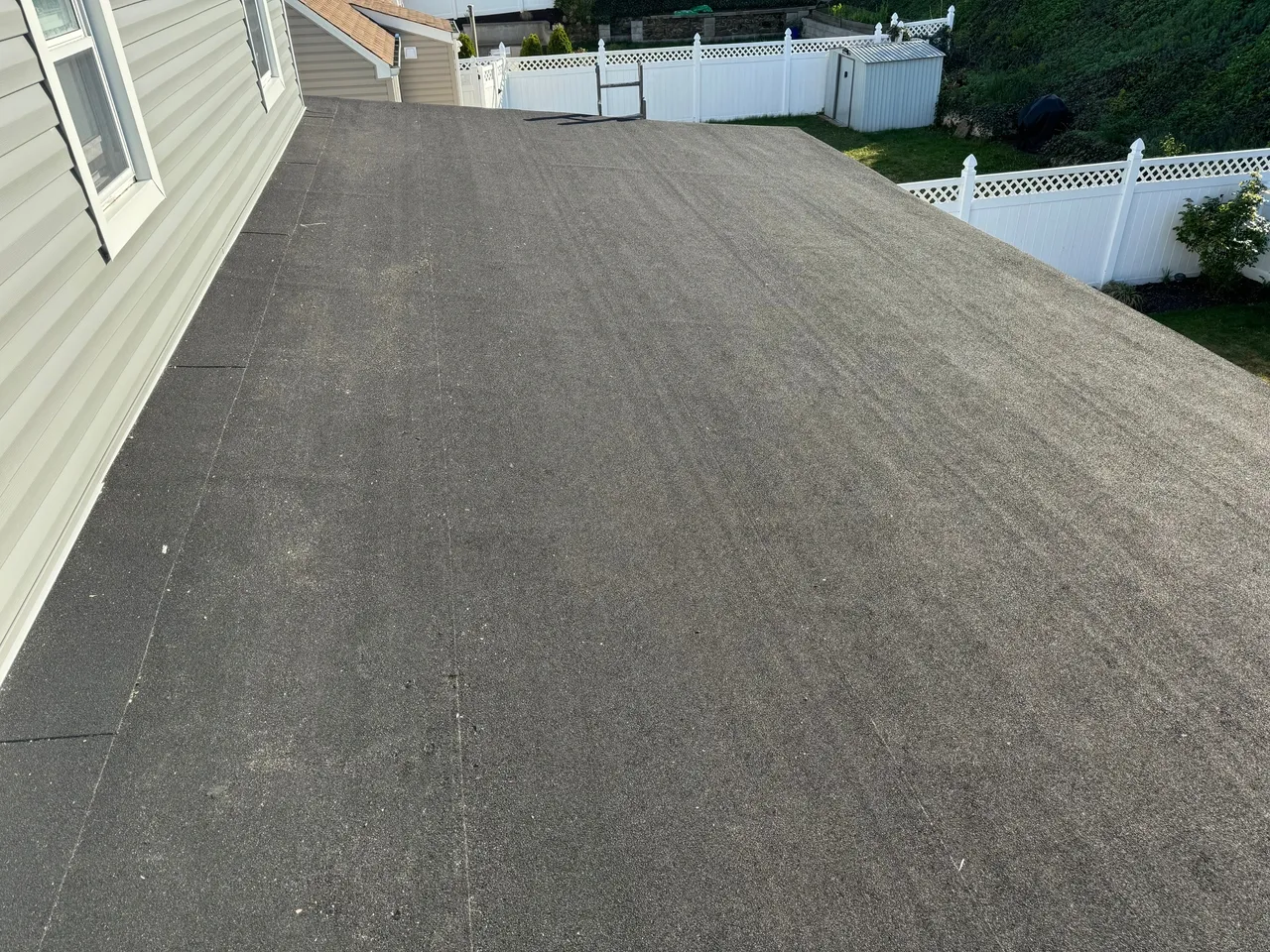
A roof usually gets attention only when something goes wrong. A brown stain appears on a bedroom ceiling. Shingles show up in the yard after a windy night. The attic smells damp in late winter. By the time many families start asking whether they need a repair or a full replacement, the roof has often been signaling trouble for years.
In Succasunna, those signals matter. North Jersey homes take a beating from freeze and thaw cycles, humid summers, strong storms, tree debris, and snow that can sit on a roofline longer than people expect. Families here also tend to stay busy. Work, school, sports, and commuting make it easy to put roof decisions off until the issue becomes urgent. That is usually when the cost rises.
The need for Roof Replacement Succasunna, NJ homeowners face is rarely caused by one dramatic event alone. More often, it is the result of age, weather exposure, ventilation problems, small leaks that spread quietly, and materials reaching the end of their useful life. The tricky part is that roofs can look passable from the driveway while hiding serious problems under the shingles.
The local climate wears roofs down faster than people think
Succasunna sits in a part of New Jersey where roofs have to handle several kinds of stress in the same year. Summer heat can bake asphalt shingles, causing the oils in them to dry out over time. Winter brings freezing temperatures that make materials contract, followed by warmer afternoons or sunny exposures that create repeated expansion and contraction. That movement may sound minor, but over ten or fifteen years, it matters.
Royalty Exteriors Roof Replacement Succasunna, NJSnow is another factor. A roof is designed to bear weight, but prolonged snow cover can exploit weak spots around flashing, valleys, and roof penetrations. Then there is ice. Ice dams do not form on every house, but when they do, they can force water back under shingles and into the roof deck. Families often first notice the damage inside, not outside. Peeling paint near an exterior wall, damp insulation in the attic, or a water mark around a bathroom fan can all trace back to winter roof stress.
Wind also plays a larger role than many homeowners assume. A roof does not need to lose half its shingles in a storm to be compromised. A single lifted tab can break the seal on adjacent shingles. That creates a chain reaction where the next storm has an easier path in. On older roofs, especially those near the end of their service life, one windy season can push a borderline roof into replacement territory.
Age alone can justify replacement
One of the most common reasons families replace a roof is simple age. Most homes in suburban Morris County use asphalt shingles, and while some products are marketed with long warranties, real-world lifespan depends on attic ventilation, installation quality, roof pitch, sun exposure, tree cover, and storm history. A roof that looked great at year twelve may look tired by year eighteen. Another may last longer, but still need proactive replacement before major leaks begin.
Homeowners sometimes ask if they can squeeze out just a few more years. Sometimes they can. Sometimes that decision creates more expense. If a roof is shedding granules heavily, curling at the edges, becoming brittle, or losing shingles in multiple areas, patching can start to resemble a temporary bandage on a system that is already failing broadly.
That is especially true when the roof has been repaired repeatedly over the years. One pipe boot gets replaced. Then a few shingles near a valley. Then flashing around the chimney. Then a leak over the garage. At a certain point, the pattern tells you the roof system is aging as a whole. It is no longer about one defective spot. It is about cumulative wear across the field of the roof.
Families who replace based on age, before active interior damage starts, usually have more control over scheduling, material choices, and budgeting. They can plan the work on their own terms instead of during an emergency after a storm.
Small leaks can hide major damage
A lot of roof replacement projects begin with what seems like a minor leak. Water on a ceiling is often the final stage of a much longer story. Moisture may have been getting behind flashing for months. It may have traveled along rafters or roof decking before it found a place to show itself inside the home. That means the visible stain is not always directly under the original entry point.
This is where families can get caught off guard. A repair may stop the immediate leak, but the underlying structure could already be softened or compromised. Roof decking can delaminate or rot. Insulation can become matted and lose effectiveness. In attics with poor airflow, damp conditions can encourage mold growth on wood surfaces. None of that is visible from the lawn.
In practice, once a roof develops recurring leaks in multiple areas, replacement often becomes the smarter move. It allows the roofing contractor to inspect the deck comprehensively, replace damaged sheathing where needed, correct underlayment issues, and rebuild vulnerable flashing details rather than chasing symptoms one at a time.
A family might spend a few hundred dollars here and there on service calls over two or three years, only to discover that a full replacement was inevitable all along. That does not mean every leak requires a new roof. A newer roof with isolated flashing damage can often be repaired responsibly. The key is whether the problem is localized or systemic.
Storm damage is not always obvious from the ground
After hail, high wind, or falling branches, some roofs show obvious damage. Others do not. A shingle may crease, crack, or loosen without creating a dramatic bare patch. Granule loss can be scattered enough that a homeowner misses it during a casual look from the driveway. If the roof is already older, that hidden damage can shorten the remaining life quickly.
Tree limbs are a frequent issue in established neighborhoods. Even if a branch does not punch a hole through the roof, repeated scraping can wear away shingle surfaces and disturb protective granules. Moss and debris tend to collect where overhanging branches keep sections of the roof damp and shaded. That creates a roof that ages unevenly. One side still looks serviceable, while the other deteriorates faster.
Families often decide on Roof Replacement Succasunna, NJ projects after a storm inspection reveals widespread damage across slopes that seemed fine from below. That is one reason a professional assessment matters after major weather, even when leaks have not started yet. The roof may still be watertight in the moment but more vulnerable to the next round of bad weather.
Ventilation problems can shorten a roof’s life
This point gets missed all the time. A roof is not just shingles. It is part of a system that includes intake ventilation, exhaust ventilation, insulation, underlayment, flashing, and decking. If the attic cannot move air properly, heat and moisture build up. In summer, trapped heat can cook shingles from below. In winter, warm moist air from the house can condense on cold roof surfaces, creating frost, damp sheathing, and long-term deterioration.
I have seen homes where the shingles looked older than they should have because the attic was stifling hot and poorly vented. I have also seen the reverse, homes where owners blamed the shingles when the deeper issue was moisture from bathroom fans venting improperly into the attic. Replacing the roof without addressing that airflow problem would only repeat the cycle.
Families often discover these issues during estimates for replacement. A good contractor should look beyond the roof surface and ask how the attic is performing. If soffit vents are blocked by insulation, if ridge venting is inadequate, or if there is evidence of condensation, those conditions should be corrected during the project. Doing so protects the investment and reduces the chance of early failure.
Rising energy costs can push the decision
Most homeowners do not replace a roof just to save on utility bills, but energy performance does become part of the equation, especially when the old roof is paired with ventilation deficiencies or deteriorated materials. If warm air is escaping in winter and the attic is overheating in summer, the HVAC system works harder. That does not mean a new roof instantly solves all comfort issues, but it can be a meaningful piece of the puzzle.
Families notice this most in rooms directly under the roof. A second-floor bedroom that is hard to cool in July or a bonus room that feels drafty in January may point to broader roof and attic problems. During replacement, upgrades such as better ventilation components and proper sealing around penetrations can improve comfort in ways homeowners actually feel day to day.
The financial return varies from house to house, so it is wise not to overpromise savings. Still, replacing an old failing roof with a properly installed system often reduces air and moisture problems that contribute to higher operating costs.
Insurance concerns and resale pressure are real
Sometimes families move forward with a roof replacement not because water is pouring in, but because the roof has become a liability. Insurance carriers have become more attentive to roof age and condition in many markets. A visibly deteriorated roof can complicate coverage, raise questions during policy renewal, or become a sticking point after storm damage claims.
Resale creates similar pressure. Buyers may tolerate cosmetic imperfections inside a home. They are far less relaxed about an aging roof. During inspection, a roof near the end of its life can lead to repair credits, delayed closings, renegotiation, or buyers walking away. From a seller’s perspective, replacing the roof before listing can simplify the transaction and improve curb appeal at the same time.
In neighborhoods where families expect to stay long term, the resale argument may not feel urgent. But many homeowners reach a point where they would rather replace the roof proactively than let it hover as a question mark over future plans.
Multiple layers and old installation methods can force the issue
Some older homes have more than one layer of roofing material. While building rules and best practices vary by situation, multiple layers generally make it harder to inspect the deck, add excess weight, trap heat, and limit how well new materials can perform. They also make repairs less predictable.
When contractors tear off an older roof, they sometimes uncover issues that explain years of nagging problems. There may be soft decking around eaves, outdated flashing methods at walls and chimneys, or underlayment that no longer offers reliable protection. Families are often surprised by how much of roof performance depends on these hidden components.
This is why a replacement can deliver more value than another overlay or piecemeal fix. It gives the installer a chance to rebuild the assembly correctly from the deck up where necessary. That is especially important on homes with complicated rooflines, dormers, skylights, chimneys, or additions tied into the original structure.
Family safety and interior protection matter more than squeezing the last year out
A damaged roof is not just an exterior maintenance issue. It threatens insulation, drywall, framing, electrical fixtures, and personal belongings. In family homes, leaks often hit bedrooms, hallways, and finished basements, the spaces people use every day. Once water gets in, the cost extends beyond roofing.
There is also the stress factor. Anyone who has dealt with a leak during a weekend storm knows how disruptive it can be. Buckets on the floor, stained ceilings, worries about mold, calls to contractors while rain is still falling, none of it is minor when you are trying to keep a household running. Many families decide that peace of mind alone justifies replacing a roof that has become unpredictable.
That judgment is often sound. A roof is one of the few house components where waiting can multiply damage quickly. A worn floor can wait. Old kitchen cabinets can wait. A roof with active failure has a way of setting the schedule for you.
Signs families in Succasunna should not ignore
Some warning signs deserve immediate attention because they often point to more than surface wear. If a family notices several of these at once, the odds of needing replacement go up sharply.
- Shingles are curling, cracking, or losing granules in large areas.
- Leaks or ceiling stains keep returning after repairs.
- The attic shows damp insulation, mold-like spotting, or daylight through the roof boards.
- Storms have removed shingles or damaged flashing in more than one section.
- The roof is nearing the end of its expected life and already showing visible wear.
None of these signs should be judged in isolation without an inspection. A single missing shingle on a younger roof is one thing. Broad wear patterns on an older roof are another.
Repair or replacement depends on context, not hope
Homeowners often want a simple rule. If the leak is small, repair it. If the roof is old, replace it. Real decisions are not always that clean. A well-installed roof with one flashing failure may have plenty of life left. A fifteen-year-old roof installed poorly on an under-ventilated attic may be a better candidate for replacement than a twenty-year-old roof that was built carefully and maintained.
What matters is the pattern. How many problem areas are there? How old are the materials? Is the roof deck sound? Are shingles still flexible and sealing properly? Has storm damage affected one slope or several? Are there ventilation problems that have been accelerating wear? The best recommendations come from looking at the whole system, not just the visible symptom that prompted the phone call.
Families sometimes hesitate because they have heard horror stories about contractors pushing replacement too quickly. That concern is fair. A trustworthy roofer should be able to explain exactly why a repair is or is not practical, show photos of problem areas, and discuss what might happen if the work is postponed. Good judgment is specific. It is not a sales script.
What a well-timed replacement can actually solve
When done properly, a roof replacement does more than install new shingles. It can correct long-standing weak points that have caused recurring frustration for years. It can stop chronic leaks around chimneys and vents, improve attic airflow, replace compromised decking, upgrade underlayment in vulnerable areas, and restore confidence that the house is protected through the next winter.
For families in Succasunna, timing matters. Replacing before heavy damage spreads protects the interior and usually keeps the project more straightforward. Waiting until water has traveled into insulation, drywall, and framing often turns one project into several.
A thoughtful replacement can also be customized to the house. The right shingle type, flashing details, and ventilation approach depend on roof design, tree exposure, attic conditions, and budget. That is why generic advice is never enough. Two homes on the same street can have very different roofing needs based on orientation, additions, maintenance history, and workmanship from past projects.
Choosing the right moment is part practical, part financial
There is never a perfect time to spend money on a roof. That is true for nearly every family. The goal is not to replace it at the first cosmetic flaw, nor to wait until a leak forces emergency action. The smart window is usually when evidence shows the roof is declining across the system but before interior damage becomes extensive.
That balance takes judgment. If the roof is aging, has had a few targeted repairs, and is beginning to show consistent wear, it is worth getting a detailed evaluation and thinking seriously about replacement. If storm season is approaching or winter is around the corner, delaying may carry more risk than people realize.
For many homeowners, the strongest reason for Roof Replacement Succasunna, NJ comes down to protecting the larger investment. The roof guards everything beneath it, the structure, the finishes, the belongings, and the routines of the people living there. Once it stops doing that reliably, replacement is not a luxury project. It is a necessary one.
Royalty Exteriors
151 NJ-10 Suite 103A, Succasunna, NJ 07876, United States
+1 973-333-7234
FAQ About Roof Replacement Succasunna, NJ
What are signs a roof needs replacing?
Widespread shingle deterioration, repeated leaks, or damaged decking can point to a larger problem. A roofer can inspect the roof covering, flashing, and deck to determine whether the damage is localized or whether replacement makes more sense.
How long does it take to reroof a 2000 square foot house?
Royalty Exteriors estimates one to three days for many single-family roof replacements. A house’s floor area does not tell you the actual roof area. Pitch, roof features, weather, and any decking repairs can change the schedule.
How long should a roof last in NJ?
There is no single lifespan for every roof. Material, installation quality, attic ventilation, maintenance, and exposure to storms all affect how long a roof remains serviceable. An inspection can help you assess its condition and plan for replacement.